Navsari History: From Ancient Roots to Modern City

Navsari, located in the vibrant state of Gujarat, is a city that beautifully reflects the journey from ancient civilization to modern development. Known for its cultural richness and peaceful surroundings, Navsari has preserved its historical essence while embracing growth and progress. The city’s past is deeply connected with trade, migration, and community traditions, making it an important place in Gujarat’s history.
Ancient Origins of Navsari
The origins of Navsari can be traced back to ancient times when it was known as “Navasarika.” This name symbolized a new settlement that gradually developed into a thriving town. Due to its strategic location in South Gujarat, Navsari became a key center for trade and agriculture. Fertile lands and access to nearby trade routes allowed the city to flourish economically.
Navsari also holds a special place in the history of the Parsi community. After migrating from Persia, many Parsis settled in this region, contributing to the city’s cultural diversity. Their influence can still be seen in local traditions, architecture, and religious sites that continue to define Navsari’s identity.
Cultural Heritage and Traditions
Navsari is a city where tradition and culture are deeply rooted in everyday life. Festivals such as Diwali, Navratri, and other regional celebrations are observed with great enthusiasm. These events bring together people from different communities, reflecting unity and harmony.
The city is home to several temples, heritage buildings, and old neighborhoods that showcase its architectural beauty. Walking through these areas offers a glimpse into the lifestyle and values of earlier generations. This preservation of heritage is what makes Navsari unique compared to rapidly modernizing cities.
Economic Growth and Development
Over the years, Navsari has experienced steady growth while maintaining its cultural roots. Agriculture continues to play a significant role in the local economy, along with small-scale industries and businesses. Improved infrastructure and connectivity have contributed to the city’s development, making it more accessible to visitors and residents alike.
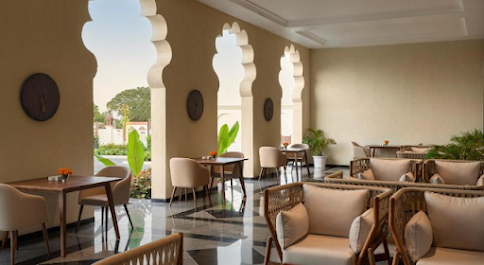
With increasing tourism and business opportunities, the demand for comfortable accommodation in navsari has also grown, providing visitors with convenient options to explore the city’s history and culture.
Influence on Food and Lifestyle
The diverse cultural background of Navsari is reflected in its food and lifestyle. Traditional Gujarati cuisine dominates the food scene, offering a variety of flavors that are both simple and delicious. Over time, the city has also embraced modern dining trends while preserving its culinary heritage.
Food lovers visiting the city often explore the best restaurants in navsari to experience authentic dishes along with a mix of contemporary flavors. This blend of tradition and modernity is what makes the dining culture of Navsari truly special.
Transition to a Modern City
Navsari’s transformation into a modern city is evident in its improved infrastructure, educational institutions, and urban planning. Despite these advancements, the city has successfully retained its historical charm. Clean surroundings, well-planned areas, and a strong sense of community contribute to its appeal.
The balance between development and tradition is one of Navsari’s greatest strengths. It continues to grow while preserving the values and heritage that define its identity.
Conclusion
Navsari’s journey from ancient roots to a modern city is a story of cultural richness, steady growth, and community harmony. Its historical significance, combined with modern advancements, makes it a unique destination in Gujarat. The city stands as a reminder that progress and tradition can coexist beautifully.
For travelers and history enthusiasts alike, Navsari offers an enriching experience that connects the past with the present, making it a place worth exploring.


Comments
Post a Comment